
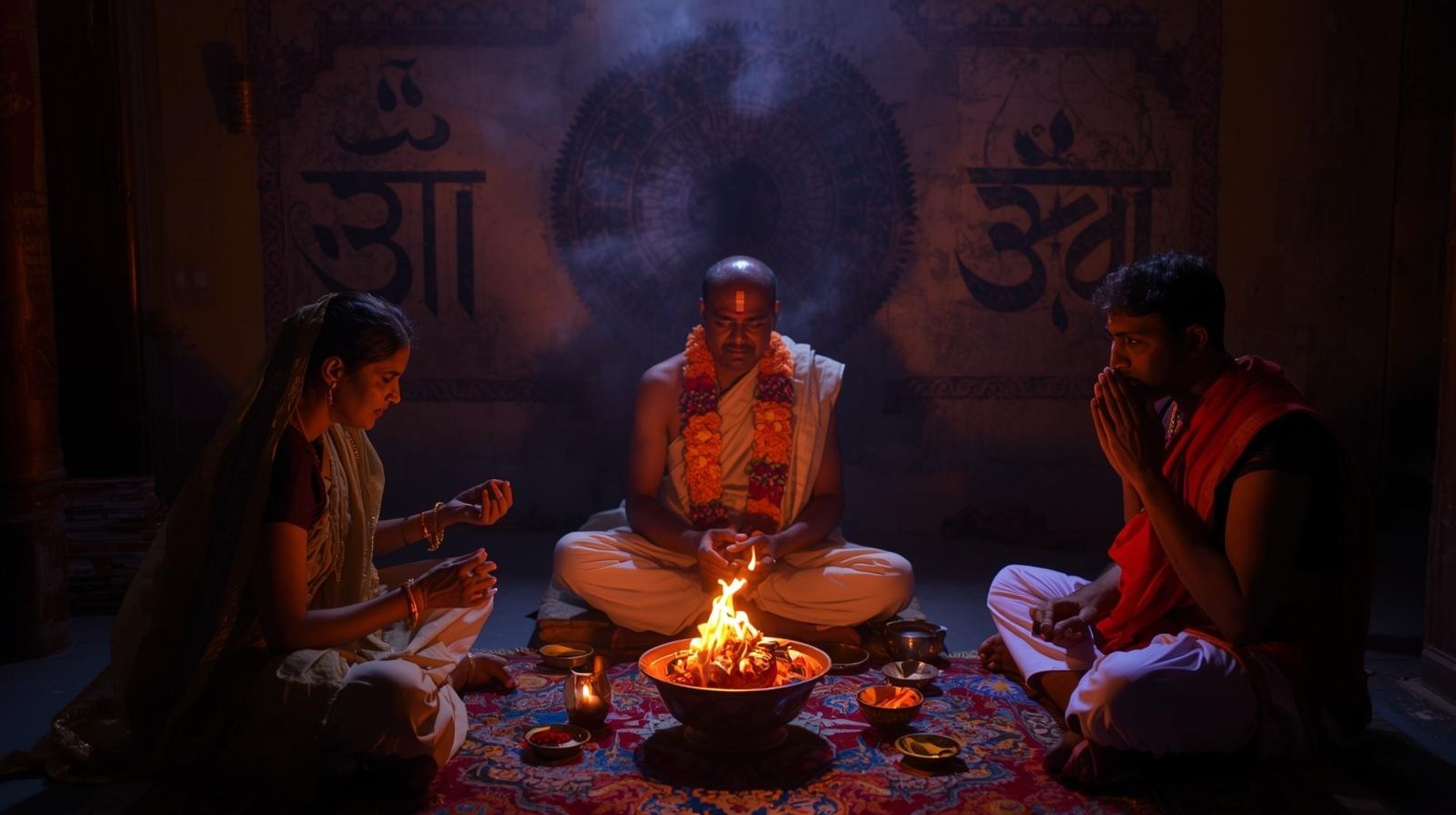
Varsh Shraddha
Varsh Shraddha in Hindu Tradition
Varsh Shraddha is an important post-death ritual in Hindu tradition, performed after the completion of one year from the date of death. It marks the conclusion of the first annual cycle of remembrance and formally establishes the departed soul among the ancestors (Pitru).
Varsh Shraddha is prescribed in Hindu scriptures such as the Garuda Purana, Dharmashastra texts, and Shraddha Kalpa, and is practiced throughout India with regional variations.
Meaning of “Varsh Shraddha”
Varsh – Year
Shraddha – A ritual performed with faith and devotion in memory of the departed
Thus, Varsh Shraddha means the annual Shraddha performed on completion of the first year after death, according to the lunar date (tithi).
When Varsh Shraddha is Performed
Varsh Shraddha is performed on the same tithi (lunar date) on which the death occurred
It is conducted after completion of one full year
In some traditions, it may be performed during Pitru Paksha if circumstances require
Purpose of Varsh Shraddha
The ritual is performed for the following purposes:
To offer reverence and remembrance to the departed soul
To provide symbolic nourishment through Pind Daan and Tarpan
To ensure peace and contentment of the ancestor
To strengthen ancestral blessings and family lineage
To complete the first annual cycle of Shraddha rites
Rituals Performed in Varsh Shraddha
The following rites are generally performed:
Pind Daan:
Offering of rice balls symbolizing sustenance for the ancestor.Tarpan:
Offering of water mixed with sesame seeds and mantras.Brahmin Bhojan:
Feeding of Brahmins as a mark of respect to the ancestors.Daan (Charity):
Donation of food, clothes, grains, or money in the name of the deceased.Pitru Smaran:
Recitation of mantras remembering the lineage of ancestors.
Difference Between Terava and Varsh Shraddha
Terava ends the mourning period and impurity after death
Varsh Shraddha completes the first annual remembrance
Terava focuses on family purification, while Varsh Shraddha focuses on ancestral continuity
Spiritual Significance
Varsh Shraddha holds deep spiritual meaning:
It strengthens the bond between descendants and ancestors
It ensures spiritual satisfaction (tripti) of the Pitru
It is believed to bring peace, prosperity, and protection to the family
It completes the soul’s formal integration into Pitru Loka
Important Places for Varsh Shraddha
Varsh Shraddha may be performed at home or at sacred pilgrimage sites such as:
Ramkund (Nashik)
Trimbakeshwar (Maharashtra)
Gaya (Bihar)
Haridwar and Prayagraj
Varanasi (Kashi)
Other Puja:
Puja at Nashik: