
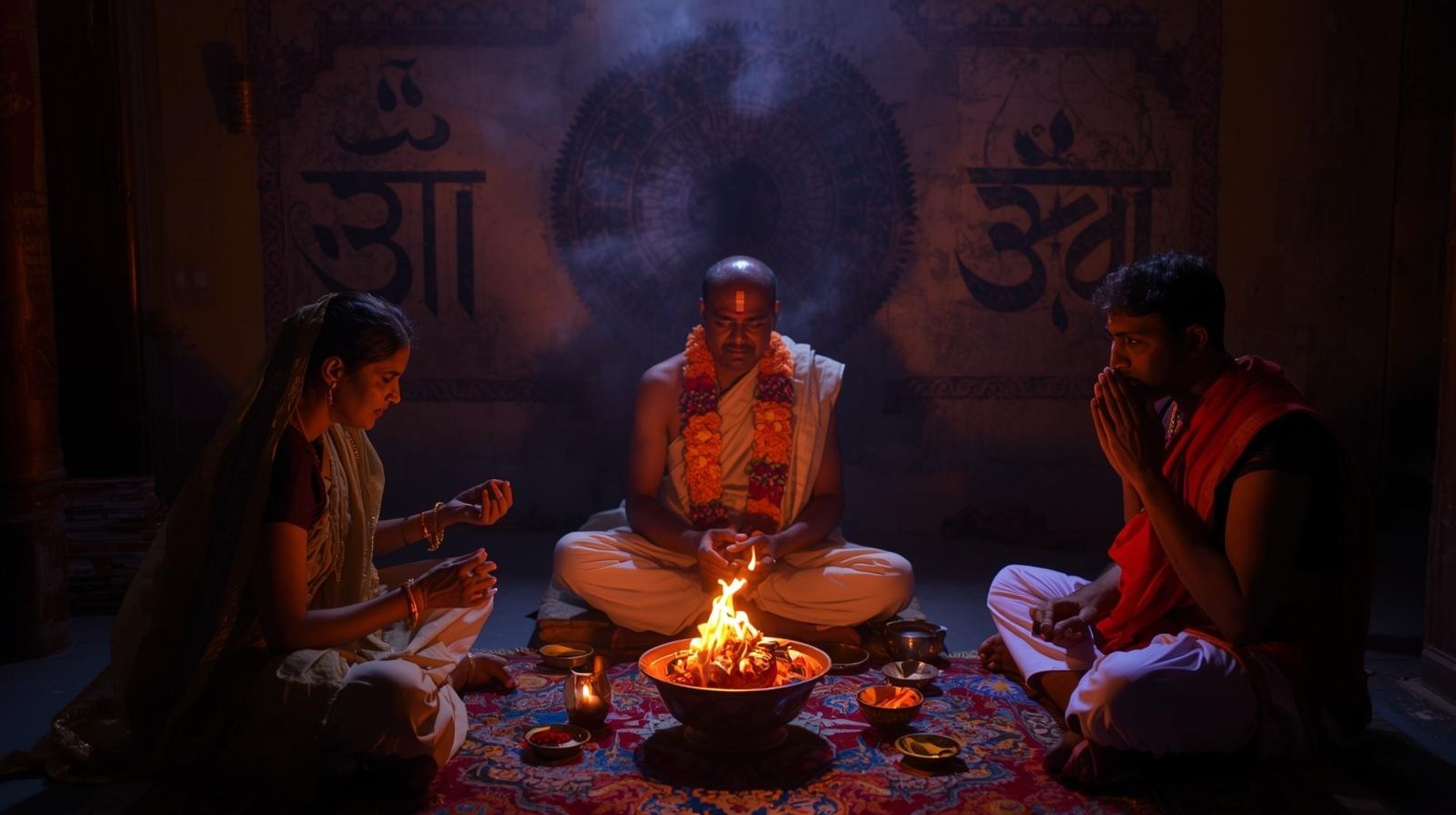
Thirteenth Day Ritual (Terava)
Thirteenth Day Ritual (Terava) in Hindu Tradition
The Thirteenth Day Ritual, commonly known as Terava, is an important ceremony performed after a person’s death in Hindu tradition. It marks the completion of the mourning period and signifies the transition from Ashaucha (ritual impurity) to Shuddhi (ritual purity) for the family.
Terava is closely connected with post-funeral rites described in Hindu scriptures such as the Garuda Purana and Dharmashastra texts, and is practiced throughout India with regional variations, especially in Maharashtra, Gujarat, and northern India.
Meaning of “Terava”
Terava – Derived from Terah (thirteen), meaning the thirteenth day after death
The ritual performed on this day is therefore called Terava, symbolizing the end of death-related impurity and the beginning of normal religious life.
Purpose of the Thirteenth Day Ritual
The Terava ritual is performed for the following purposes:
To formally conclude the period of Ashaucha (mourning and impurity)
To perform Shuddha Karma (purification rites) for the deceased and the family
To ensure peace and stability for the departed soul
To mark the soul’s acceptance into the ancestral realm (Pitru Loka)
To allow the family to resume regular religious and social activities
Rituals Performed on the Thirteenth Day
Although practices may vary by region, the following rituals are commonly observed:
Terava Shraddha / Shuddhi Shraddha:
Final Shraddha performed after the completion of twelve days.Pind Daan and Tarpan:
Offerings of rice balls and water for the peace of the departed soul.Brahmin Bhojan:
Feeding of Brahmins as part of the ritual, symbolizing offerings to ancestors.Daan (Charity):
Donation of food, clothes, utensils, or money in the name of the deceased.House Purification:
Ritual cleansing of the house, marking the end of impurity.
Difference Between Dashkriya and Terava
Dashkriya completes the ten essential rites for the soul’s transition.
Terava completes the purification of the family and formally ends mourning.
Rituals up to the twelfth day are performed during Ashaucha, whereas Terava is considered Shuddha Karma.
Spiritual Significance
The Thirteenth Day Ritual holds deep spiritual meaning:
It stabilizes the soul’s journey toward ancestral realms
It removes lingering ritual impurity
It restores spiritual balance within the household
It provides emotional closure and acceptance for the family
Important Places for Terava Rituals
The Thirteenth Day Ritual is often performed at sacred places such as:
Ramkund (Nashik)
Trimbakeshwar (Maharashtra)
Gaya (Bihar)
Haridwar and Prayagraj
Varanasi (Kashi)
Other Puja:
Puja at Nashik: