Puja
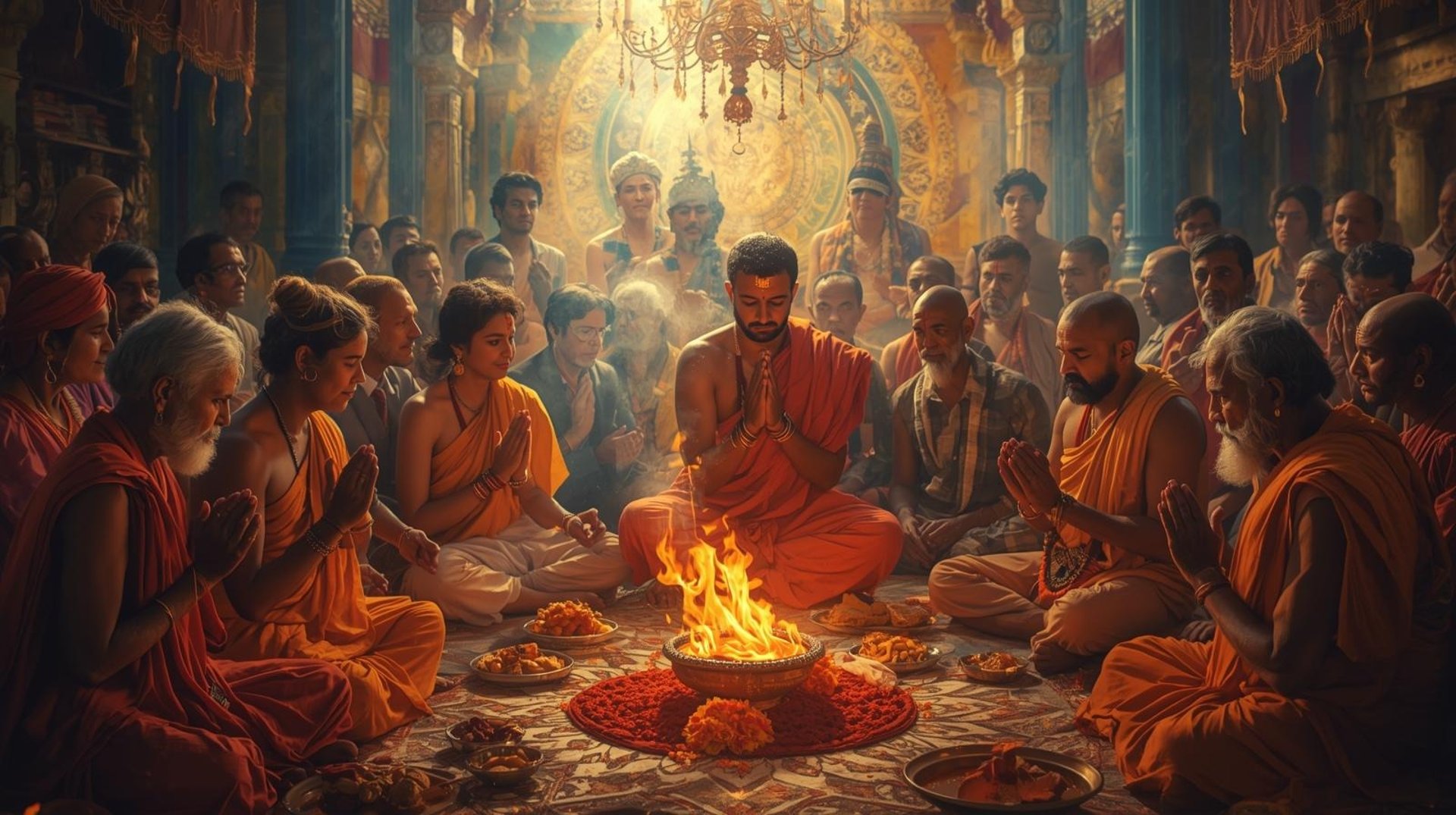
Explore our sacred puja offerings for spiritual healing.
The Kaal Sarp Dosh (काल सर्प दोष) is a concept in Vedic astrology (Jyotish) believed to occur when all seven major planets — Sun, Moon, Mars, Mercury, Jupiter, Venus, and Saturn — are positioned between Rahu (the north lunar node) and Ketu (the south lunar node) in a person’s birth chart (kundli).
Kalsarpdosh Nivaran
Pind Daan (पिंड दान) is a sacred Hindu ritual performed to honor and offer peace to the souls of deceased ancestors. It’s a key part of Śrāddha karma, which expresses gratitude toward one’s forefathers and helps their souls attain moksha (liberation) or a better rebirth.
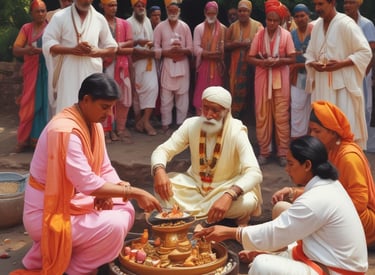
Pind Daan
The Dashkriya (दशक्रिया) ritual in India is an important part of Hindu funeral rites — a series of ten sacred ceremonies performed after a person’s death to ensure that the soul (atma) finds peace and moves on to the next realm.
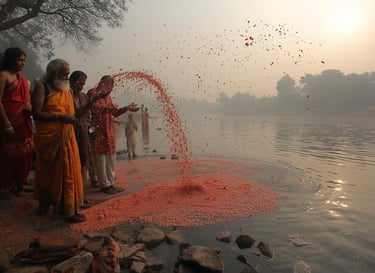
Dashkriya
Puja at Nashik
Doing puja in Nashik is considered highly sacred because it’s one of the four Kumbh Mela sites and the origin of the Godavari River.
The Godavari River, also called Dakshin Ganga (the Ganga of the South), originates near Trimbakeshwar in Nashik district. Performing pujas, abhisheks, pind daan, or shraddha rituals on the banks of the Godavari is believed to cleanse sins and bring peace to ancestors. Taking a holy dip (snan) in the river during special occasions like Kumbh Mela or Amavasya (new moon) is said to be highly auspicious.
The city is also home to the Trimbakeshwar Jyotirlinga, where performing rituals like Rudrabhishek or Kaal Sarp Dosh Puja is believed to cleanse sins, remove obstacles, and bring spiritual peace.
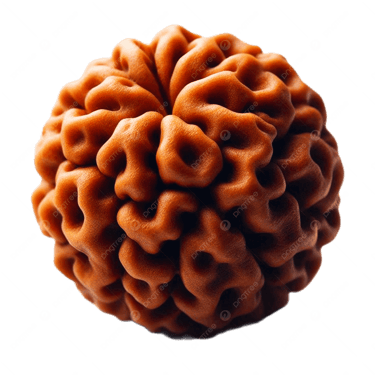
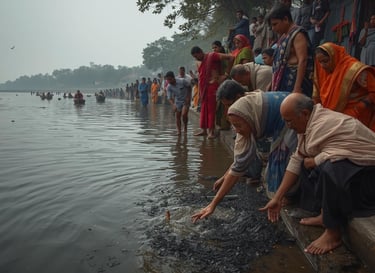
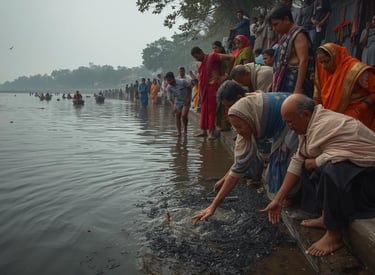
The Asthi Visarjan (अस्थि विसर्जन) ritual in India is one of the most sacred post-cremation rites in Hindu tradition. It involves immersing the ashes (asthi) and remaining bone fragments of the deceased person’s body in a holy river or sea, symbolizing the final release of the soul (atma) from the physical world.
The Tripindi Shraddha (त्रिपिंडी श्राद्ध) — also known as the Tripindi ritual — is an important Hindu ceremony performed to pacify and liberate ancestral souls (Pitras) who may be unsatisfied or stuck due to neglected or incomplete shraddha rites in previous years.
Tripindi
The Pitru Dosh Nivaran Puja (पितृ दोष निवारण पूजा) is a sacred Hindu ritual performed to pacify and liberate the souls of ancestors (Pitras) who may be dissatisfied, neglected, or unable to move peacefully to the ancestral realm (Pitru Loka).


Asthi Visarjan
Pitru Dosh Nivaran
The Nagbali Shraddha (नागबली श्राद्ध) — often performed as part of the Narayan Nagbali Puja — is one of the most ancient and spiritually powerful Hindu rituals performed to absolve ancestral sins, remove curses, and attain peace for departed souls.
The Narayan Bali Shraddha (नारायण बली श्राद्ध) is one of the most powerful Vedic rituals in India performed to liberate wandering or unsatisfied souls, remove ancestral curses (Pitru Dosh), and bring peace (moksha) to the departed.
The Kaal sarp Dosh suggests no implications in Sanskrit. It is often considered that if Kaal sarp Yog dosh is not fulfilled by the pooja offered by the Panditji, which is “Kaal sarp Yog Shanti Pooja,” then it will impact the work and make it hardest to perform. According to Vedic astrology
Tripindi
Nagbali Shraddha
Narayanbali Shraddha
Puja at Trimbakeshwar
Performing puja at Trimbakeshwar offers powerful spiritual and astrological benefits. It is believed to remove negative planetary influences (doshas), bring peace, prosperity, and good health, and help devotees attain moksha (liberation). Rituals like Rudrabhishek, Kaal Sarp Dosh Puja, and Pitru Dosh Nivaran are especially effective here, as Trimbakeshwar is one of the twelve sacred Jyotirlingas of Lord Shiva.
The puja services transformed my spiritual journey profoundly.
Aditi S.


★★★★★