
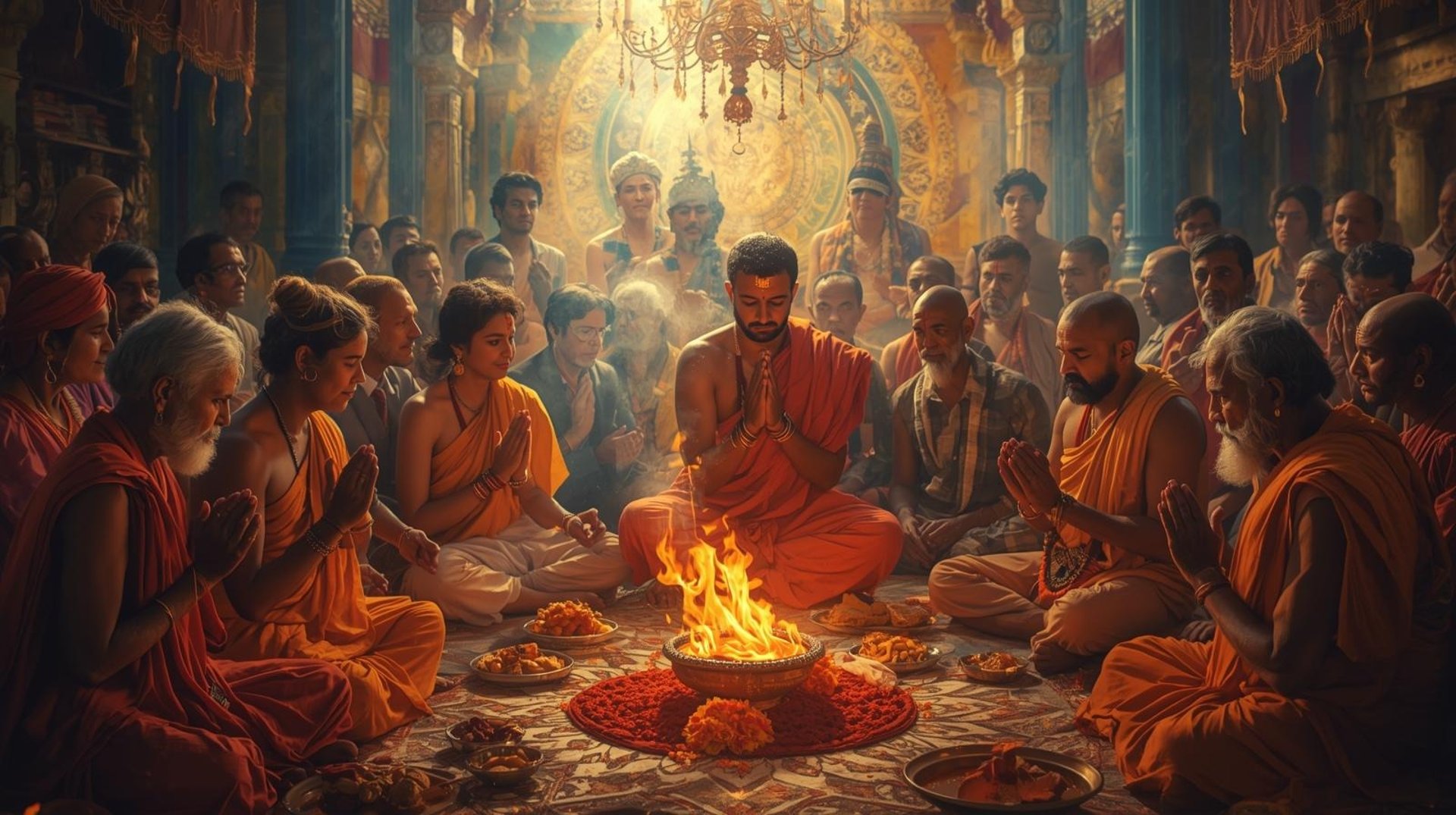
Puja
Explore our sacred puja offerings for spiritual healing.
The Shraddha in which Pind Daan is performed for all ancestors during the Pitru Paksha period is known as Mahalaya Shraddha.
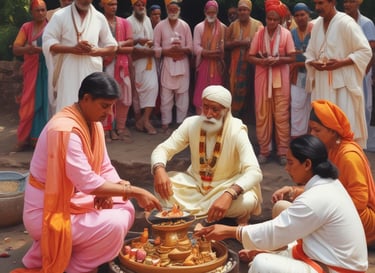
Mahalaya Shraddha
While Lord Ramchandra was in exile for fourteen years, he performed Pind Daan for his father at Ramkund. At Ramkund in Nashik, rituals such as the tenth day (Dahava), eleventh day, twelfth day, as well as the thirteenth day (Terava) and annual Shraddha are performed for the deceased.
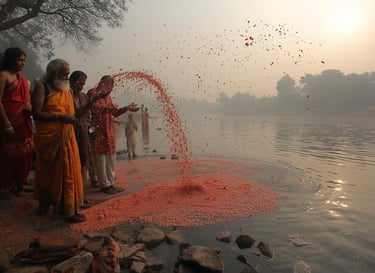
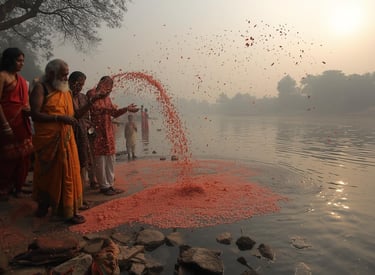
Dashkriya
Puja at Nashik
Doing puja in Nashik is considered highly sacred because it’s one of the four Kumbh Mela sites and the origin of the Godavari River.
The Godavari River, also called Dakshin Ganga (the Ganga of the South), originates near Trimbakeshwar in Nashik district. Performing pujas, abhisheks, pind daan, or shraddha rituals on the banks of the Godavari is believed to cleanse sins and bring peace to ancestors. Taking a holy dip (snan) in the river during special occasions like Kumbh Mela or Amavasya (new moon) is said to be highly auspicious.
The city is also home to the Trimbakeshwar Jyotirlinga, where performing rituals like Rudrabhishek or Kaal Sarp Dosh Puja is believed to cleanse sins, remove obstacles, and bring spiritual peace.
The Ganga Godavari at Ramkund flows in a southward direction, and therefore Ganga Godavari is referred to as Dakshin Kashi. Asthi Visarjan (immersion of ashes) is performed at a nearby location at Ramkund.
The kund in which the ashes are immersed is known as the Asthi Vilay Kund.
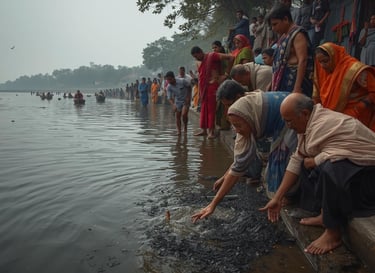
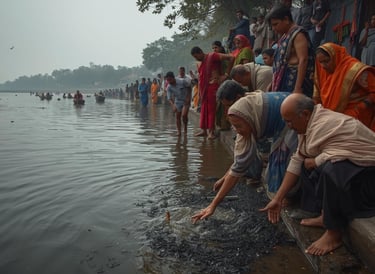
Asthi Visarjan
The rituals performed up to the twelfth day are conducted during the period of Ashaucha (ritual impurity), whereas the thirteenth-day ritual (Terava) is considered a purified ritual.
Thirteenth-day ritual
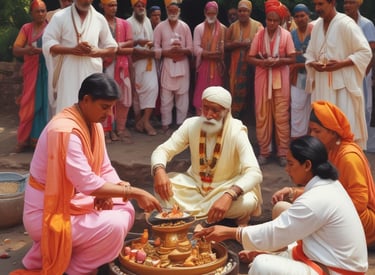
Varsh Shraddha is performed according to the lunar date (tithi) on the date marking the completion of the first year.
Varsh Shraddha
Janan Shanti
Janan Shanti is performed if the birth Nakshatra is not considered auspicious according to astrological principles.
If a person passes away under the Panchak Nakshatra, the Panchak Shanti ritual is performed on the eleventh day to remove the Panchak Dosha
Panchak Shanti
Just as Janan Shanti is performed, if the death occurs under the Tripad Nakshatra, Tripad Shanti is performed on the eleventh day.


Tripad Shanti

Mangal Shanti
If Mangal Dosha is present in the birth chart (Mars positioned in the 4th, 8th, or 12th house), Mangal Shanti is performed.

Yog Shanti
Yoga Shanti is performed to mitigate or remove the effects of various yogas present in the birth chart.
A Narayan Bali ritual is performed in a special manner for the removal of Pitru Dosh (ancestral affliction).

In the event of an untimely death, the Narayan Bali ritual is performed on the eleventh day.

The Tripindi ritual is performed for the removal of Pitru Dosh (ancestral affliction).

Tripindi
Pitrudosh Nivaran Narayanbali
Narayanbali Shanti
Puja at Trimbakeshwar
Performing puja at Trimbakeshwar offers powerful spiritual and astrological benefits. It is believed to remove negative planetary influences (doshas), bring peace, prosperity, and good health, and help devotees attain moksha (liberation). Rituals like Rudrabhishek, Kaal Sarp Dosh Puja, and Pitru Dosh Nivaran are especially effective here, as Trimbakeshwar is one of the twelve sacred Jyotirlingas of Lord Shiva.
Kalsarp Shanti

If Kalsarpa Yoga is present in the birth chart, Kalsarpa Shanti is performed to remove or mitigate the associated affliction
The puja services transformed my spiritual journey profoundly.
★★★★★